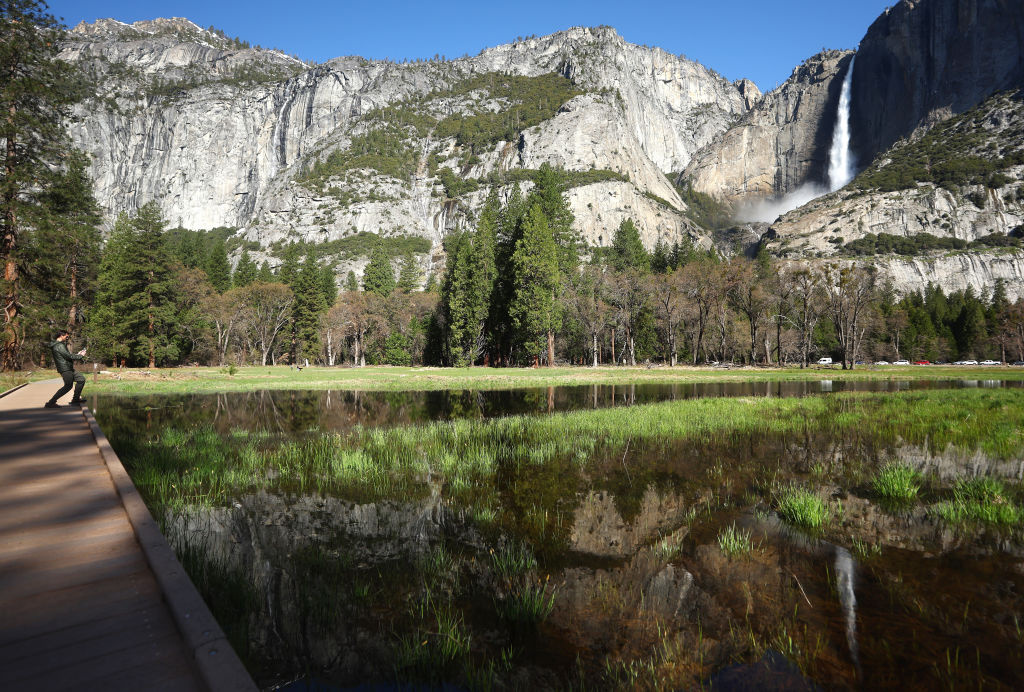
Protecting Natural Beauty: Land Trusts Secure Landscapes for Generations
The relentless march of development often threatens to erase the very landscapes that define our sense of place and provide vital ecological services. From sprawling urban centers to expanding infrastructure, natural spaces are shrinking at an alarming rate. Yet, amidst this challenge, a powerful force is at work: land trusts. These dedicated non-profit organizations play a crucial role in safeguarding our planet’s invaluable natural beauty, ensuring that wildlands, agricultural areas, and scenic vistas remain protected for current and future generations. Through innovative tools and unwavering commitment, land trusts provide a beacon of hope for enduring
natural beauty preservation.
The Enduring Power of Land Trusts in Conservation
At their core, land trusts are community-based or statewide organizations dedicated to conserving land by undertaking voluntary land transactions, such as acquiring land or conservation easements. They are typically 501(c)(3) non-profit entities, meaning they operate for the public good without a profit motive, and many are accredited, adhering to rigorous standards for responsible land stewardship. Their mission goes beyond simply preventing development; it's about preserving the ecological integrity, cultural heritage, and economic viability of specific landscapes.
Consider the diverse natural tapestry of places like Florida, often perceived by outsiders as merely a tourist destination. Locals, however, understand that the state's true allure lies in its vibrant ecosystems, rich wildlife, and deep agricultural roots. Organizations like Conservation Florida embody this understanding, working tirelessly to protect these unique attributes. Similarly, in other regions, land trusts like Upstate Forever diligently protect the breathtaking views and pristine wilderness that define their respective areas. These groups are driven by a shared vision: to ensure that the natural world, with all its inherent beauty and biodiversity, endures. They offer a more robust and permanent solution than temporary zoning regulations, which can be altered, providing a lasting legacy of
natural beauty preservation.
Conservation Easements: A Powerful Tool for Lasting Protection
One of the most effective and widely used tools in a land trust's arsenal is the conservation easement. This legal agreement allows landowners to voluntarily restrict the type and amount of development that may take place on their property while retaining ownership. In essence, the land trust "buys" or is donated the development rights, ensuring the land's conservation values are protected forever, regardless of future ownership.
Adam Bass, the director of conservation for Conservation Florida, eloquently describes this tool: “In layman’s terms, we essentially are buying development rights so that farmers or ranchers or landowners can continue to farm, ranch, hunt, recreate on their property. We just don’t want to see houses out there in the future.” This philosophy underpins their unofficial motto: "Ranches, not rooftops."
The benefits of conservation easements are multifaceted:
- For Landowners: They receive financial compensation (in the case of a purchase) or significant tax benefits (for donated easements) while continuing to own, use, and even pass down their land to heirs. It allows them to unlock the development value without actually developing the property.
- For the Public: Easements safeguard critical wildlife habitats, protect water quality, preserve scenic views, maintain productive agricultural lands, and offer opportunities for recreation or education. They contribute directly to the health of our environment and quality of life.
- For Permanence: Once established, a conservation easement is perpetual, meaning it runs with the land forever, binding all future owners. This ensures long-term natural beauty preservation against future development pressures.
For landowners contemplating an easement, it's crucial to consult with legal and financial advisors to understand the full implications and potential benefits. This strategic approach offers a win-win solution, empowering landowners to be active participants in conservation while securing the land's ecological future. To dive deeper into how these powerful tools operate, especially in areas facing intense development pressure, read more about
Ranches, Not Rooftops: How Conservation Easements Preserve Florida.
The Human Connection: Passion and Legacy in Land Stewardship
Behind every protected acre lies a story – often one of deep personal connection and a profound desire to leave a lasting legacy. Individuals like Adam Bass exemplify this passion. Growing up amidst citrus groves and blueberry fields in Winter Haven, Florida, Bass developed an intrinsic love for the state's natural and agricultural landscapes. His background, coupled with his military service and real estate experience, uniquely positioned him to lead Conservation Florida’s efforts, a leap of faith that perfectly aligned with his lifelong dedication to environmental stewardship. His journey highlights how personal experiences can fuel a powerful commitment to
natural beauty preservation. You can learn more about his inspiring work in
Adam Bass: Fighting to Preserve Florida's Natural & Agricultural Lands.
Similar sentiments echo in the story of Tom and Kathy Baer, who, after decades of enjoying the panoramic views from Table Rock Mountain, realized a portion of that cherished landscape would become their responsibility to preserve. Owning Reeds Run in Pickens County, they intentionally sought out Upstate Forever to ensure their property’s natural state would endure. Their decision wasn't just about land; it was about protecting a memory, a view, and a heritage for their children and grandchildren. This deeply personal motivation is a common thread among landowners who partner with land trusts – they are driven by a love for their land and a desire to see it thrive for generations to come. This commitment transforms individual properties into vital components of larger conservation corridors, ensuring sustained environmental health and enjoyment.
Beyond Easements: A Holistic Approach to Natural Beauty Preservation
While conservation easements are a primary tool, land trusts employ a range of strategies to achieve their goals. This holistic approach includes outright land purchases, donations of land, and even engaging in land management activities themselves to restore or enhance ecological value. Partnerships are also critical; land trusts frequently collaborate with state and federal agencies, local governments, and other environmental organizations to maximize their impact.
For instance, Conservation Florida's focus on areas like the Everglades' Headwaters and Northwest Florida reflects a strategic effort to protect larger, interconnected ecosystems critical for water resources, wildlife migration, and biodiversity. They recognize that time is of the essence, fostering partnerships that allow them to secure tens of thousands of acres.
The challenges are significant, including rapid population growth, climate change, and dwindling resources for conservation. However, land trusts offer practical, actionable solutions, acting as local champions for the environment. Here's how individuals can contribute to the enduring legacy of
natural beauty preservation:
- Support Land Trusts: Donate, volunteer, or become a member of a local or regional land trust. Your financial and time contributions directly fund their operations and conservation efforts.
- Advocate for Policies: Support government programs and policies that incentivize land conservation and provide funding for protection efforts.
- Practice Stewardship: If you are a landowner, explore options like conservation easements or sustainable land management practices to protect your property’s natural values.
- Educate Yourself and Others: Learn about the importance of local ecosystems and share that knowledge with your community to foster a culture of environmental appreciation.
In a world increasingly shaped by human activity, the work of land trusts stands as a testament to our capacity for foresight and stewardship. They are not just protecting parcels of land; they are safeguarding the very essence of what makes our natural world beautiful and resilient. By working with landowners, engaging communities, and employing robust conservation tools, land trusts ensure that our planet’s natural splendor remains vibrant and accessible, not just for us, but for countless generations yet to experience its wonder.